
Introduction
Understanding infectious agents at the molecular and cellular levels is a cornerstone of modern life-science research. Pathogens antibodies—highly specific immunoreagents designed to bind antigens from viruses, bacteria, fungi, and parasites—enable researchers to detect, localize, and characterize pathogenic components with precision. Their importance in laboratory science is reflected in extensive educational and methodological resources published by institutions such as the NIH (https://www.nih.gov), NCBI (https://www.ncbi.nlm.nih.gov), and the CDC (https://www.cdc.gov).
This in-depth, educational blog expands on how pathogens antibodies are developed, validated, and applied across experimental platforms, with a strong focus on laboratory workflows and best practices.
Molecular Basis of Antibody–Antigen Recognition
Antibodies recognize antigens through highly specific interactions between the antibody’s variable regions and defined epitopes on pathogen-derived proteins. Structural and biochemical principles governing these interactions are covered in immunology courses from MIT OpenCourseWare (https://ocw.mit.edu) and Harvard Medical School (https://hms.harvard.edu).
Key factors influencing binding performance include:
-
Epitope accessibility and conformation
-
Antibody affinity and avidity
-
Antigen purity and presentation
These molecular determinants directly affect assay sensitivity and reproducibility, as detailed in educational chapters hosted on the NCBI Bookshelf (https://www.ncbi.nlm.nih.gov/books).
Types of Pathogen Antigens Targeted
Pathogens antibodies are raised against a broad range of antigen classes, including:
-
Structural proteins (e.g., viral capsid or envelope proteins)
-
Enzymatic proteins involved in replication or metabolism
-
Surface antigens mediating host interaction
-
Secreted toxins or virulence factors
Comprehensive pathogen protein databases curated by NCBI (https://www.ncbi.nlm.nih.gov/protein) and NIH-funded research programs (https://www.niaid.nih.gov) support rational antigen selection for antibody development.
Expanded Laboratory Applications
1. ELISA and Quantitative Immunoassays
In ELISA-based assays, pathogens antibodies serve as capture or detection reagents to quantify antigens across a wide dynamic range. Detailed assay design principles are outlined in CDC laboratory manuals (https://www.cdc.gov/labtraining) and immunoassay guides from NIH (https://www.nih.gov).
Typical research uses include:
-
Protein expression profiling
-
Assay standardization
-
Comparative antigen studies
Immunofluorescence, IHC, and Spatial Biology
Pathogens antibodies enable spatial mapping of antigens within cells and tissues using immunofluorescence and immunohistochemistry. Tutorials and best-practice guides are available from Yale University School of Medicine (https://medicine.yale.edu), UCSF (https://www.ucsf.edu), and the National Cancer Institute (https://www.cancer.gov).
These methods are essential for:
-
Studying intracellular localization
-
Visualizing tissue-specific infection patterns
-
Correlating antigen distribution with cellular morphology
Western Blotting and Protein Validation
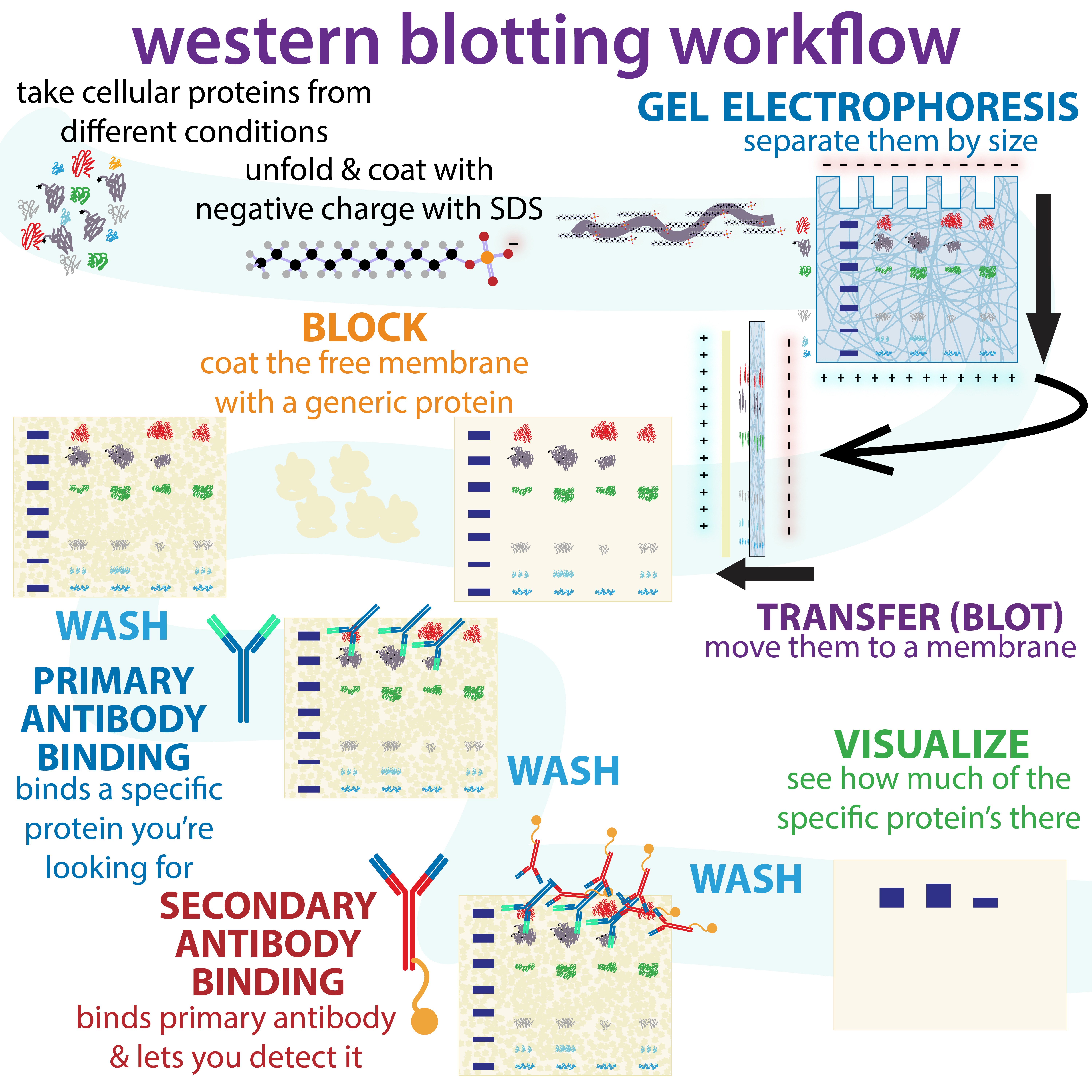
Western blotting remains a foundational technique for validating pathogen protein expression. Protocols curated by NIH Protein Resources (https://www.ncbi.nlm.nih.gov/books) and academic laboratories at University of Wisconsin–Madison (https://www.wisc.edu) highlight the importance of antibody specificity and proper controls.
Applications include:
-
Verification of recombinant proteins
-
Detection of processing or degradation products
-
Comparative expression analysis
Flow Cytometry and Single-Cell Analysis
In flow cytometry, fluorescently labeled pathogens antibodies allow single-cell detection of infected populations. Educational material from the National Human Genome Research Institute (https://www.genome.gov) and cytometry cores at Duke University (https://www.duke.edu) illustrate how multiparametric analysis enhances host–pathogen studies.
This approach supports:
-
Quantitative antigen measurement
-
High-throughput screening
-
Combined analysis of host and pathogen markers
Immunoprecipitation and Mechanistic Studies
Pathogens antibodies are powerful tools for immunoprecipitation (IP) and co-immunoprecipitation (Co-IP), enabling isolation of antigen complexes and interaction partners. Conceptual frameworks and protocols are available through NCBI Bookshelf (https://www.ncbi.nlm.nih.gov/books) and molecular biology courses at University of Oxford (https://www.ox.ac.uk).
Antibody Validation and Reproducibility
Reproducibility is a critical consideration in antibody-based research. Validation strategies recommended by the NIH Antibody Validation Initiative (https://www.nih.gov/research-training/rigor-reproducibility/antibody-validation) emphasize:
-
Application-specific testing
-
Use of positive and negative controls
-
Orthogonal validation methods
Guidelines from the National Academies of Sciences (https://www.nationalacademies.org) further stress transparent documentation and batch consistency.

Experimental Controls and Best Practices
To ensure reliable results, laboratories routinely implement controls described in training materials from CDC (https://www.cdc.gov) and WHO (https://www.who.int), including:
-
Isotype controls
-
Secondary-only controls
-
Known antigen standards
Proper antibody storage, dilution optimization, and handling protocols—outlined in university laboratory safety resources such as University of Michigan (https://www.umich.edu)—are equally important.
Role in Research, Education, and Surveillance
Pathogens antibodies underpin a wide range of academic and institutional research programs, supporting:
-
Fundamental microbiology education
-
Comparative pathogen biology
-
Laboratory-based surveillance studies
-
Method development and validation
Global perspectives on laboratory research are further supported by resources from the FDA (https://www.fda.gov) and WHO (https://www.who.int).
Conclusion
Pathogens antibodies are foundational tools in laboratory science, enabling precise detection and molecular analysis of infectious agents across diverse experimental platforms. Their applications—from ELISA and immunofluorescence to flow cytometry and protein interaction studies—make them indispensable for microbiology and immunology research.
When carefully selected, validated, and applied according to best practices outlined by leading academic and governmental institutions, pathogens antibodies support robust, reproducible research that advances our understanding of pathogen biology and experimental immunology.
Pathogens antibodies, pathogen detection antibodies, infectious disease research antibodies, microbial antigen antibodies, ELISA pathogen antibodies, immunofluorescence pathogen detection, Western blot pathogen antibodies, flow cytometry pathogen markers, laboratory pathogen research reagents, antibody-based pathogen analysis
